


How Often Should You Wash Your Car?
Keeping your car clean isn’t just about shine, it’s about protecting your paint, your undercarriage, and your long-term value.
The good news: you don’t need to wash your car every weekend.
The better news: once you know what conditions speed up grime and corrosion, you can wash smarter, not harder.
Contents:
- A Simple Wash Schedule That Works
- The “Best Practice” Routine
- Why Regular Car Washes Matter
- Environments & Events That Mean You Should Wash More Often
- What Type of Car Wash Is Best?
- Honda-Specific Tips: Features to Keep in Mind at the Car Wash
- Are There Vehicles That Require Specialized Care or Cleaning?
- FAQ
- Need a Hand After Issues From an Aggressive Car Wash?
A Simple Wash Schedule That Works
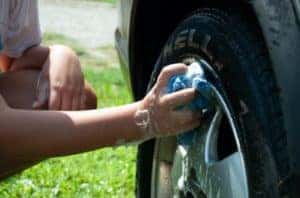
Image by Elly Johnson is licensed with Unsplash License
For most drivers, a good baseline is:
- Every 2 weeks for everyday driving conditions¹
- Weekly (or after storms) during winter salt season, especially with an undercarriage rinse²
- As soon as possible after things like bird droppings, tree sap, bug splatter, or road tar (they can damage finishes if left too long)
If you commute regularly and/or park outdoors, you’ll likely land closer to the “more often” end of the spectrum.
The “Best Practice” Routine (Easy + Effective)
If you just want a simple, paint-friendly plan:
- Rinse first (especially in winter: remove loose salt/grit)³
- Wash top-down with clean microfiber
- Rinse thoroughly
- Dry with a microfiber towel to reduce water spots, especially in areas with hard water
- Add protection (wax/sealant) a couple times per year. HowStuffWorks suggests waxing at least every six months as part of a basic routine¹
Why Regular Car Washes Matter (Beyond Looks)
Washing removes harsh chemicals and elements that can do real damage over time. This is especially true for places like New England where winter road treatments can cling to metal, accelerating corrosion. AAA specifically warns that road salt can corrode your vehicle’s undercarriage, suspension, and exterior if it’s not removed regularly.²
A consistent wash routine helps:
- Protect clear coat and paint
- Reduce risk of rust and corrosion
- Keep windows, mirrors, cameras, and lights clear and effective
- Make it easier to spot issues early (chips, scratches, surface rust)
Environments & Events That Mean You Should Wash More Often
Some conditions leave behind contaminants that are more harmful than everyday dust. If any of the situations below apply, bump your wash frequency up.
Winter salt, brine, and slush
If the roads have been treated, salt and brine stick to the underbody and wheel wells and can accelerate corrosion. AAA recommends washing regularly in winter at least every two weeks, and more often after driving on heavily salted roads, making sure to focus on the undercarriage.³
Wash sooner if:
- You drove right after a storm
- Your car has salty white residue on doors/wheels
- Slush is caked into wheel wells
Coastal air and salty moisture
Even without snowfall, salty air and damp winter conditions can leave residue that contributes to corrosion over time. If you live on or frequently go to the coast, a steady wash routine matters.
Heavy spring pollen and tree debris
Pollen isn’t just annoying – it can cling to paint and combine with rain to form a grimy film. If you’re parked outside near trees, spring often calls for more frequent rinses.
Bug splatter and long highway drives
Warm-weather driving can bake bug splatter onto bumpers and mirrors. An immediate clean-up helps prevent that stubborn residue.
Bird droppings (don’t wait)
Bird droppings are acidic and can harm the finish if left on the paint. This is even bigger issue in warm and hot weather. Consumer-oriented detailing guidance consistently recommends removing it promptly rather than letting it sit.⁴ Tip: keep a small microfiber and quick-detail spray in the trunk for “spot cleans.”
Road tar, construction dust, and gritty grime
If you’ve driven through construction zones, fresh pavement, or dusty gravel areas, you’ll want to wash sooner. Grit on the surface increases the risk of swirl marks and fine scratches when you wipe the car down.
What Type of Car Wash Is Best?
You’ve got options. The best choice is the one you’ll actually do consistently, while minimizing the risk of paint damage.
Hand wash (best control)
Hand washing with the right technique gives you the most control and is typically the gentlest. Consumer Reports notes that hand washing can help you notice issues early (like trim problems or surface rust) while doing a more thorough clean.⁵
If you hand wash: use a car-specific soap, a microfiber mitt, and rinse often.
Touchless automatic wash (great for winter + convenience)
Touchless washes are a solid choice during cold months or for busy schedules, especially if you pick one with an undercarriage spray. In winter, the undercarriage rinse is often the most valuable part.
Brush/friction tunnel wash (varies by wash quality)
These can clean well, but if brushes aren’t maintained, they can introduce fine swirls. If you choose this route, look for a modern wash with well-maintained equipment and strong pre-rinse steps.
Honda-Specific Tips: Features to Keep in Mind at the Car Wash
Modern Honda vehicles (including those equipped with Honda Sensing® features) are packed with cameras and sensors, which are great on the road, but worth thinking about during cleaning.
Honda’s owner guidance commonly includes basics like:
- Follow the car wash instructions
- Fold mirrors
- Turn off intermittent wipers (if equipped)⁶
Honda also cautions when using high-pressure cleaners to keep distance (especially around windows) to avoid water intrusion.⁶
Also important for many newer Hondas:
- Turn off Automatic Brake Hold before using an automated car wash, per Honda’s CR-V owner manual guidance.⁷
- Avoid blasting high-pressure water directly at cameras/sensor areas (Honda owner guidance for several newer models warns against spraying water directly onto camera areas).⁸
Are There Other Vehicles That Require Specialized Care or Cleaning?
Yes, there are several categories that are becoming increasingly common that need extra attention.
Hybrid and EV models
Hybrids and EVs don’t require “special” washing day-to-day, but they do benefit from a few extra precautions:
- Avoid directing high-pressure water at sensitive openings (like ports or seals)
- Use gentle methods around cameras and sensors
- Prioritize winter undercarriage rinsing to reduce corrosion risk (important for all vehicles, including electrified ones)
Vehicles with advanced driver-assist cameras and sensors
Road grime on windshields and front sensor areas can reduce visibility for cameras and sensors. Keep:
- Windshield clean (especially near the camera area by the rearview mirror)
- Front grille/emblem area clear (where applicable)
- Rear camera lens free of film
Vehicles with Paint Protection Film (PPF) or wraps
If your vehicle has PPF or a protective wrap, follow the product care guidance. For example, 3M’s PPF care instructions emphasize keeping the film clean and recommend hand wash/rinse/dry as soon as possible after contaminants like fuel spills.⁹
PPF/wrap-friendly tips:
- Use pH-balanced soap
- Avoid aggressive brushes
- Be cautious when you pressure-wash edges and seams
Convertibles / soft tops (less common, but still on the road)
If you own a convertible, the top material may need specific cleaners and gentler washing. AAA notes that car washes are generally safe for convertibles, but it’s still smart to follow best practices for the roof material.¹⁰
Car What FAQs
Here are some of the most common questions we get about washing your car:
Is It Possible to Wash My Car Too Often?
Generally speaking, it’s not possible to wash your car too much. Regular cleaning maintains the appearance and integrity of your vehicle, and it may be helpful for preventing buildups of harmful substances. However, be aware that your method of washing may affect your vehicle. For example, taking your vehicle through automatic washes that use harsh substances on a weekly basis may damage your car. Research your options and choose a location carefully when creating your wash schedule.
Is It Better to Hand-Wash Your Car?
While it may take more time than other methods, it’s generally best to hand-wash your vehicle. Hand-washing provides you with more control over what products you’re using and, compared to other types of car washes is less likely to damage your vehicle. For example, automatic car washes like you might see at a gas station typically use large brushes. Debris may become caught in them and damage your car during the wash.
What Do I Need to Wash My Car?
Washing your car requires basic supplies such as microfiber towels, car-wash mitts, a wheel brush, a water hose, buckets, and soap. You may also buy additional supplies such as dirt traps or nitrile gloves. It’s crucial to choose items marked safe for cars, especially when selecting your soap, towels, and window cleaner. For example, using dish soap or towels may damage your vehicle’s paint. It’s also important to consider what you’re wearing. Choose soft clothing without metal details that may scratch your car’s exterior.
How Should You Wash Your Car?
Before you wash your car, park it in a good spot. Choose somewhere with easy access to water that allows it to run off well. If possible, park your vehicle in the shade to prevent the sun from dry-washing chemicals in the cleaning products or creating water streaks. Once you park, prepare your supplies. If you’re using dirt traps, place them in the bottoms of the buckets. Fill both buckets with water, then add your soap.
Begin washing your car by rinsing the entire exterior with the hose. This includes the underneath of your vehicle. Lather your mitt in soapy water, then wash the car from the top down, washing and rinsing it in sections to avoid unwanted water spots and streaks. After you finish all sections of your vehicle, use a lathered brush to clean the wheels, wheel wells, and underside of your car, then rinse. Give your vehicle a final rinse all over, then use a towel to dry it. Consider using a second towel to dry any detailed areas.
Don’t forget to clean the special areas of your vehicle. For example, as you’re washing each section of the car, open your doors to clean the sides of them and rinse them carefully. Also, use a car-specific window cleaner to wash all of your windows and dry them with a microfiber towel.
Do I Need to Wax My Car Each Time?
Waxing your vehicle is important for protecting its exterior against dirt, tree sap, bugs, and other debris. This prevents the paint from corrosive substances and the effects of the natural elements, and it creates an overall shiny appearance. The standard recommendation is to wax your vehicle every three to six months. If you’re not sure when the last time you waxed your car was, try splashing water on it and watching how the water behaves. If the water doesn’t bead up, it’s time to wax.
Do I Need To Clean the Inside of My Car?
Cleaning the inside of your car is just as important as cleaning the outside. It’s essential for maintaining cleanliness and the quality and longevity of your console, floor mats, and upholstery. Try to clean the interior of your car as often as you clean your exterior, though you may clean the inside more frequently if you eat and drink in your car often. If your interior is very messy, consider paying for professional detailing.
Wipe down all hard surfaces with car-safe wipes or cleaners. Use a vacuum to remove crumbs and debris. For your upholstery, apply a combination of mild detergent and warm water, and use a spot cleaner for stains. If you have leather seats, clean and condition them at least every three months to prevent aging and cracking.
Need a Hand After Issues From an Aggressive Car Wash?
If you’d like help getting your vehicle back to “like-new” condition after a car wash impacted your finish, external cameras, or window seals, our service team at Nucar Honda of Norwood can take care of those issues right away. Visit us at 279 Boston Providence Hwy, Norwood, MA 02062.
0 comment(s) so far on How Often Should You Wash Your Car?